


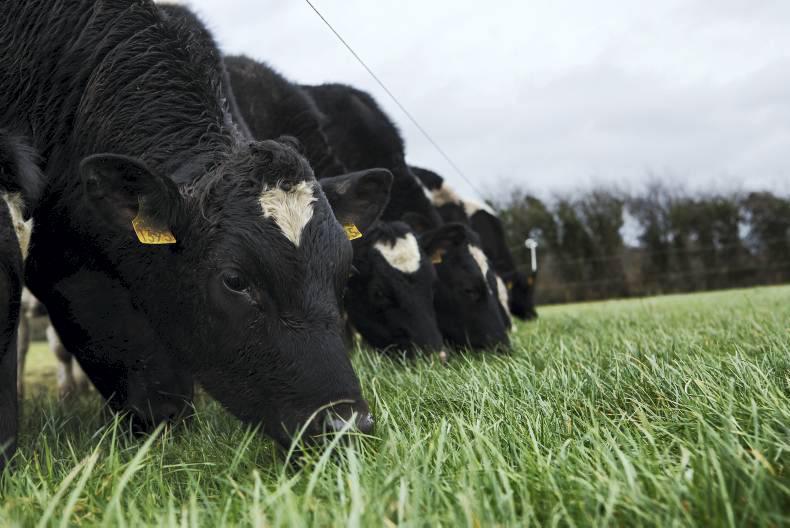
Weather and milk price: Just when we thought the weather had turned a corner, it has reverted back to wind, rain and even snow in parts. With another week of mixed weather in the forecast, it looks like most cows will continue to stay indoors full-time, eating average-quality silage and expensive nuts. This, and continuing negative sentiment about the price of milk, has rendered the mood among dairy farmers as poor enough. The thing to remember is that neither the weather nor milk prices are in our control. We can only manage to work around them as best we can, always keeping in mind that everything changes in time. So the weather will improve and milk prices will rise; the big question, of course, is when.
The slight lift in Tuesday’s GDT auction is the first positive milk price signal in a while. Without doubt, the most positive farmers I meet are those that know their own financial status, because they have a budget done for the year. And while they mightn’t be making much, if any, money this year, they aren’t working in fear of the unknown coming down the track.
My advice to anyone worried about milk prices, and their future in the industry is to do a budget to see where they stand. This can be something really simple. All you want to do is work out the money coming in and the money going out and make an estimate for what you need for drawings and the taxman. The fear of the unknown is nearly always worse than the event, so do a budget and see where you stand, then you can take action to help the situation.
Retained cleanings: This week’s Focus is on animal health. On page nine, we go into detail on how best to manage cases of retained cleanings. The key point is not to pull the cleaning out as more often than not more damage is done when doing so. The cleaning is attached to the womb, so pulling it out can damage the wall of the womb or else split the cleaning, leaving the part left in the womb to rot and turn toxic. A gentle pull on day five after calving is sometimes sufficient to pop the cleaning out, but if too much force is required then leave as is. Most vets will prescribe a course of antibiotics and washouts to affected cows. High-risk cows are those that have had hard calvings, twins or milk fever. In other cases, minerals play a big role in prevention.
Milk Fever: If getting more cases of milk fever than normal, check the level of magnesium and calcium in the diet. Remember: you want high magnesium before and after calving, but low calcium before calving and high calcium after calving. I know some farmers who put magnesium flakes on the silage and in the water for the cows close to calving. Feeding silage high in potassium will also affect mobilisation of magnesium and calcium, so remember to spread most of the potassium on silage land in the autumn to prevent luxurious uptake in the silage.



SHARING OPTIONS